
AbbVie's etentamig beat older salvage on response and progression-free survival in Phase 3 CERVINO. The harder question is whether a single step-up and monthly intravenous schedule can loosen the REMS-and-hospitalization architecture that still gates approved BCMA T-cell engagers.
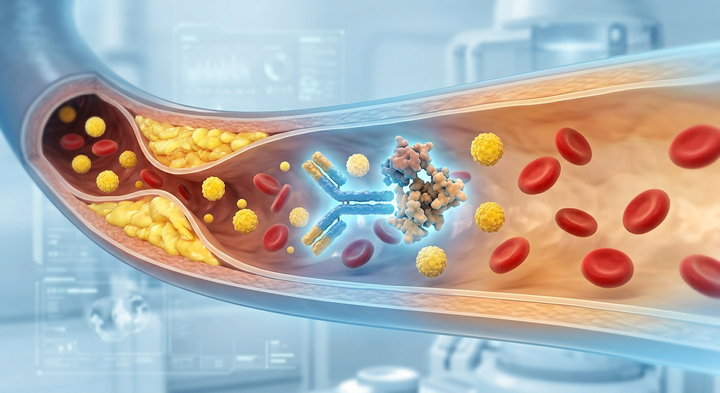
A pre-specified VESALIUS-CV analysis found evolocumab cut all-cause death by 20% in high-risk primary prevention, with the benefit appearing only after 1.5 years and a 1.8-point absolute gap at five years.
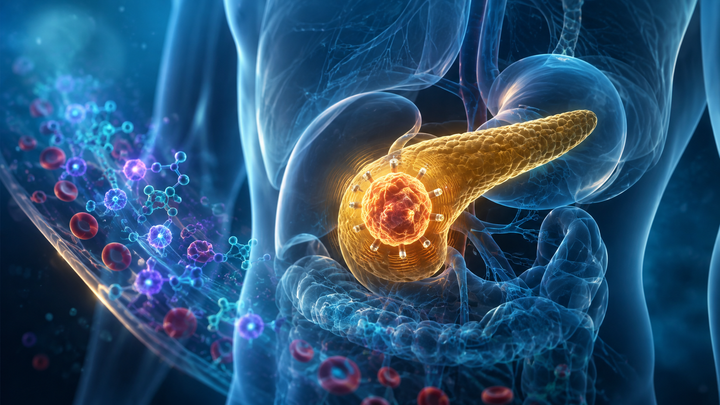
After encouraging early pancreatic data, demand for Alpha DaRT helped quadruple its IMPACT study from 12 patients to 48 as the company moves toward a pivotal trial.
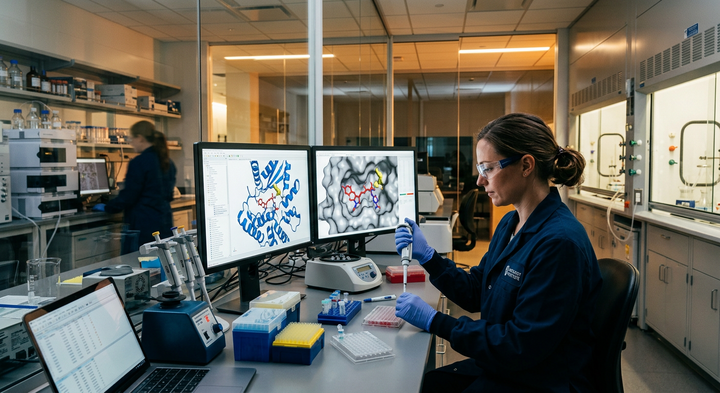
The FDA's landmark approval of Revolution Medicines' daraxonrasib (Rasonque) introduces the first multi-selective RAS(ON) tri-complex inhibitor for metastatic pancreatic adenocarcinoma, doubling overall survival over standard chemotherapy.

Suzetrigine beat placebo on SPID48 in both pivotal acute-pain trials, then failed the superiority test against hydrocodone/acetaminophen, including a statistically significant loss in bunionectomy.

Conjugating antisense oligonucleotides to transferrin receptor transport vehicles achieves fifty-fold deeper brain penetration, challenging the standard of invasive spinal punctures.
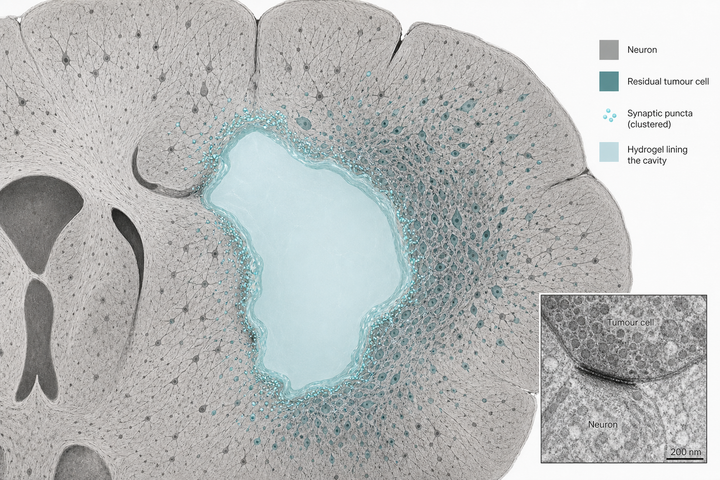
A 25 August Nature Biomedical Engineering paper shows malignant synapses concentrated at the GBM-brain interface, then tests an intracavitary TrkB-silencing hydrogel that more than doubled median survival in a mouse resection model.
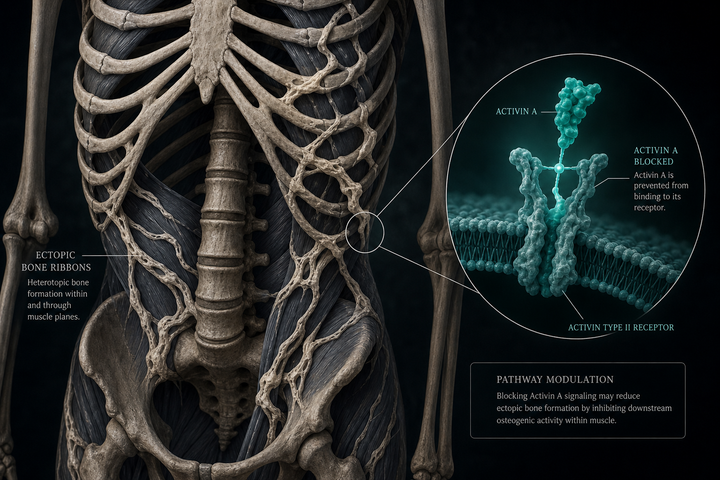
FDA approved garetosmab on 19 August as the first FOP drug shown, in a placebo-controlled trial, to cut both new heterotopic-ossification lesions (by ≥90%) and clinician-assessed flare-ups.

Coupling topoisomerase inhibitors and microtubule disruptors onto a single antibody scaffold exerts simultaneous multi-pathway cytotoxic pressure to block emergent drug resistance.

Engineered methyltransferases achieve durable transcriptional repression across multiple cell divisions without inducing double-strand chromosomal breaks or genomic translocations.
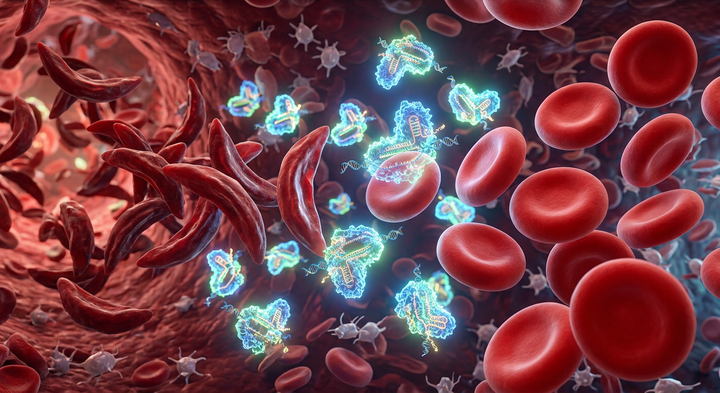
Clinical investigators are expanding CRISPR gene editing into children aged five to eleven, aiming to reactivate fetal hemoglobin before cumulative sickle cell vasculopathy becomes irreversible.

Recruiting cellular E3 ubiquitin ligases allows molecular glues and PROTACs to eliminate oncogenic transcription factors lacking classic small-molecule binding pockets.
