
Vertex and CRISPR Push Casgevy into Pediatric Trials to Halt Early Organ Damage
Clinical investigators are expanding CRISPR gene editing into children aged five to eleven, aiming to reactivate fetal hemoglobin before cumulative sickle cell vasculopathy becomes irreversible.
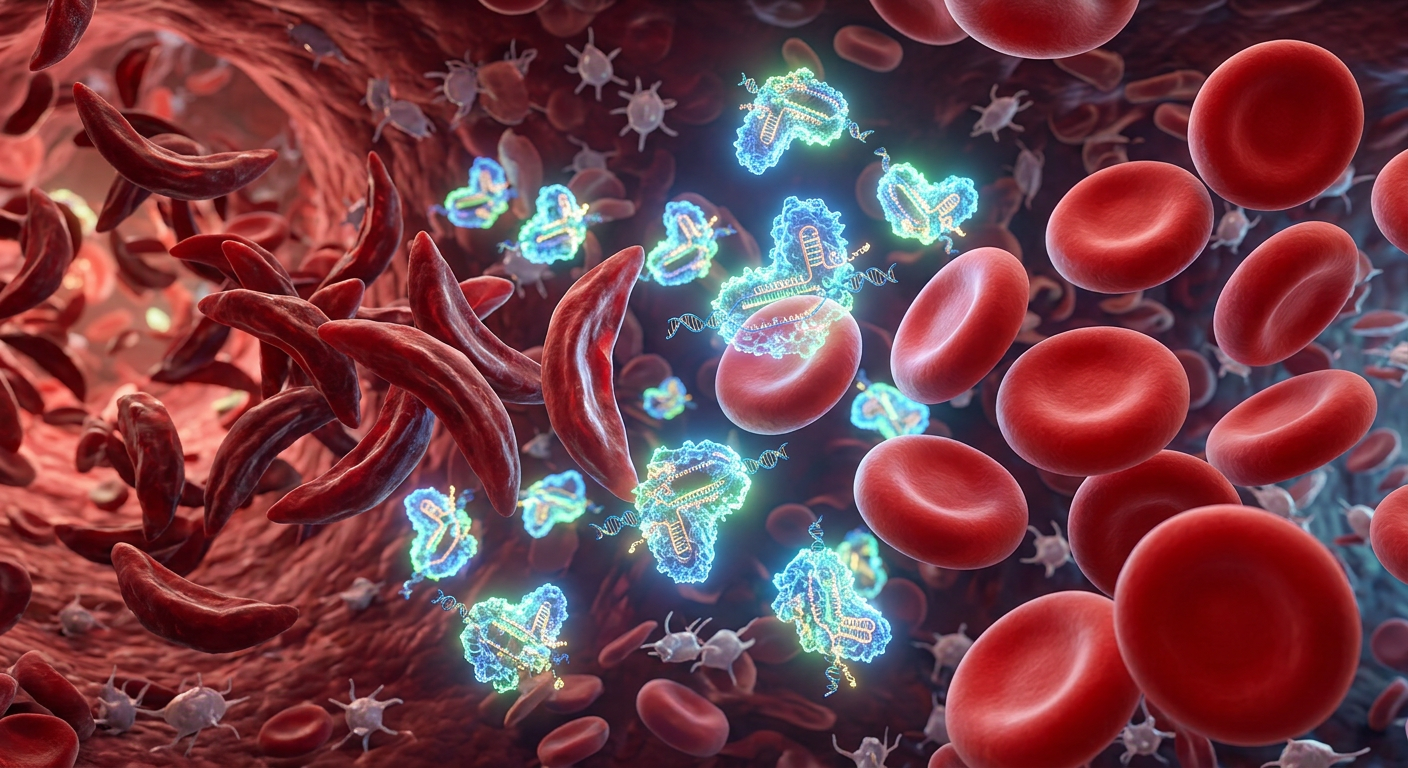
The commercial approval of exagamglogene autotemcel (Casgevy) marked a historic triumph for molecular medicine, delivering the first commercial CRISPR-Cas9 gene editing therapy for patients with severe sickle cell disease and transfusion-dependent beta-thalassemia. However, adult patients receiving gene editing often carry significant cumulative organ damage, chronic renal insufficiency, stroke histories, and intractable pain syndromes resulting from decades of repeated microvascular vaso-occlusive crises.
To intervene before systemic vasculopathy becomes irreversible, Vertex Pharmaceuticals and CRISPR Therapeutics expanded clinical development into pediatric cohorts aged five to eleven. Interim results from ongoing pediatric Phase 3 trials demonstrated successful hematopoietic stem cell engraftment, with treated children maintaining robust fetal hemoglobin expression exceeding 40% and remaining entirely free of severe vaso-occlusive pain crises.
Clinical data shared with investigators at international symposia show that editing the erythroid-specific enhancer region of the BCL11A gene in younger patients achieves sustained reactivation of gamma-globin synthesis, replacing sickled hemoglobin with protective fetal hemoglobin.
Preserving Pediatric Cardiovascular and Renal Function
Pediatric hematologists emphasize that early therapeutic intervention provides profound lifelong health dividends. In sickle cell disease, subclinical microvascular sickling begins damaging the spleen, kidneys, and cerebral vasculature during early infancy.
By establishing high levels of non-sickling fetal hemoglobin before adolescence, children preserve vital organ architecture and avoid irreversible pulmonary hypertension and silent cerebral infarcts. Clinical trial protocols incorporate advanced neurocognitive testing and cardiovascular MRI imaging to track developmental milestones post-engraftment.
However, long-term monitoring for potential off-target genetic cleavage remains mandatory. High-throughput genomic sequencing of edited stem cell pools in pediatric cohorts showed zero detectable off-target cutting events, providing reassurance regarding the fidelity of modern Cas9 guide RNA chemistries.
The Conditioning Toxicity Hurdle
The primary barrier to widespread pediatric gene editing adoption remains the busulfan-based myeloablative conditioning required to clear host bone marrow niches for edited stem cells. Busulfan carries acute mucosal toxicity, infection risks, and potential long-term fertility impairment.
Both academic research centers and biopharma developers are actively researching targeted, non-genotoxic antibody-drug conjugate conditioning regimens, such as CD117-directed payloads, designed to selectively deplete hematopoietic stem cells without systemic toxicity, paving the way for safer curative interventions in young children.