
The NIAID antibody L9LS cut infant malaria infections by 78% in Mali and weakened the response to the R21 vaccine, and the planned interaction study has been withdrawn. Inside the immunology that now shapes how malaria tools get sequenced.
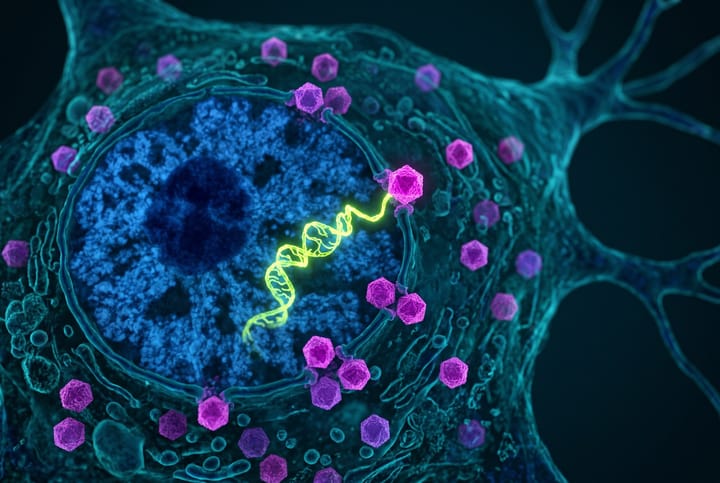
The FDA now has molecular proof that the AAV vector behind Zolgensma can drive cancer, confirming GLI1 insertional oncogenesis in two cases. The label's 'theoretical' warning is being reconsidered.
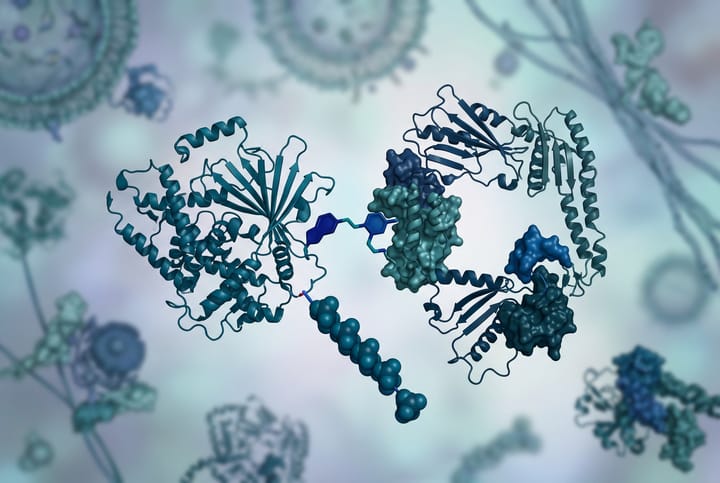
Evommune is licensing a VAV1 molecular glue degrader from China's Hinova to chase JAK-like efficacy in rheumatoid arthritis without the class's boxed safety warnings.
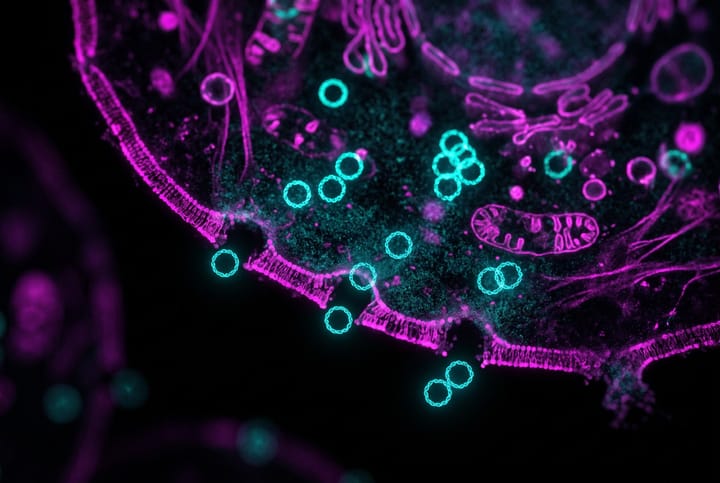
Inovio's Voceryq is the first plasmid DNA immunotherapy to win FDA approval. It cleared on a 27% complete response in a small open-label cohort, and a confirmatory trial is still ahead.
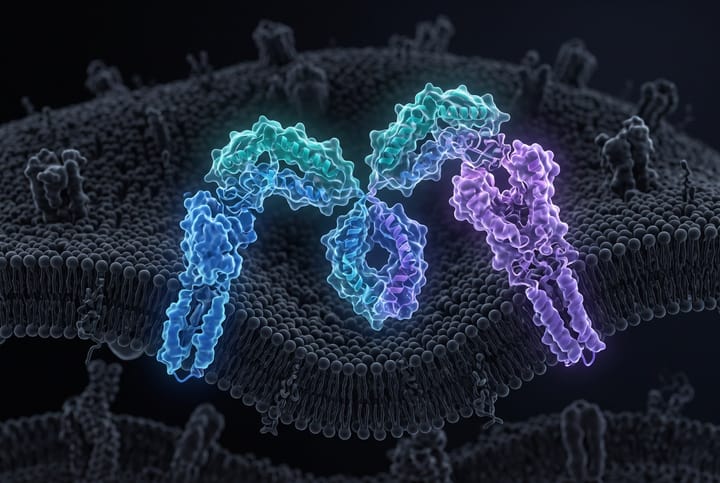
Petosemtamab plus Keytruda halved the risk of death versus Keytruda alone in first-line PD-L1-positive head and neck cancer, the first positive Phase 3 in that setting in several years, as Genmab races to replace Darzalex royalties.
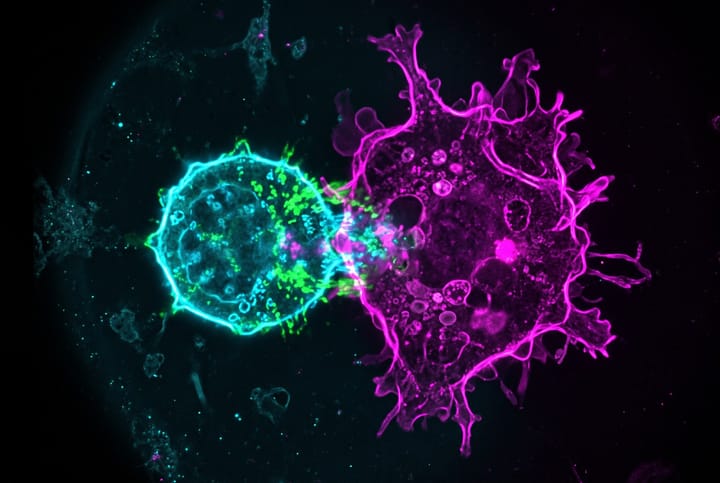
Intismeran plus Keytruda cut melanoma recurrence or death risk by 42% versus Keytruda alone, a first Phase 3 win for a personalized mRNA vaccine. Moderna still fell as much as 25%.
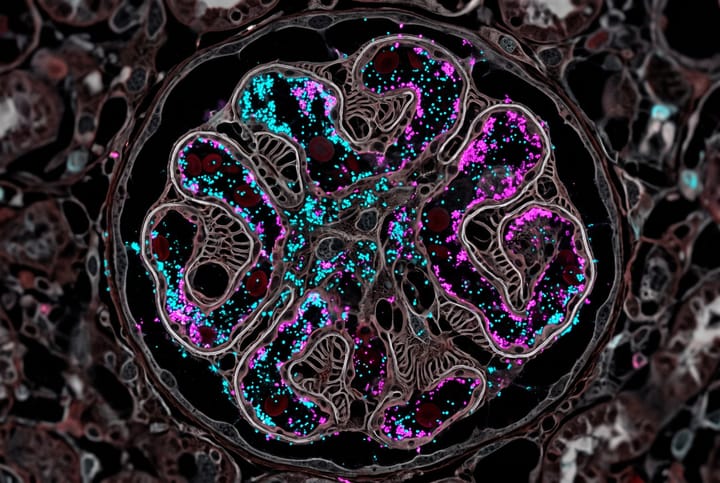
AstraZeneca's fifth Ultomiris indication arrives on a proteinuria surrogate, while the week-106 eGFR readout still decides whether the drug actually saves kidneys.
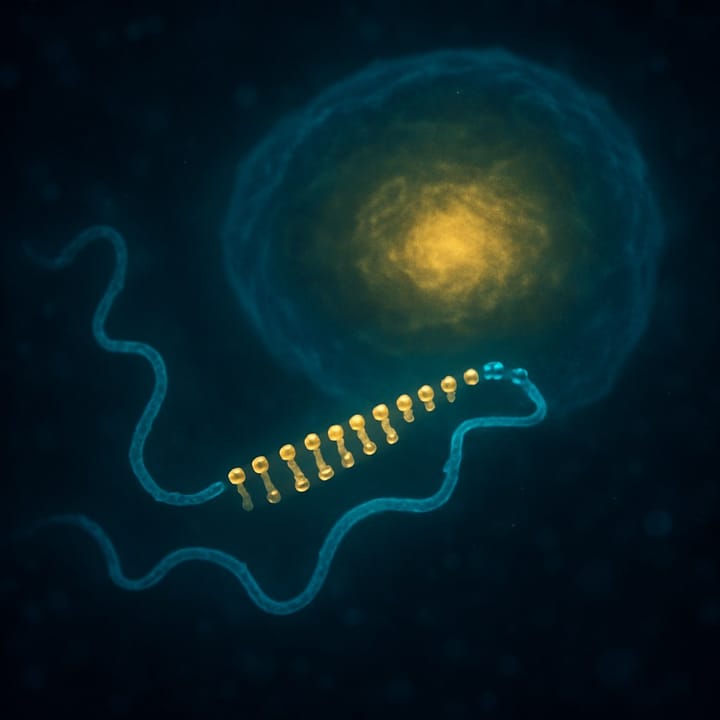
Bepirovirsen is the first therapy to offer people with chronic hepatitis B a shot at functional cure after a six-month course. It works in about one in five, and only in a narrow, already-treated population.
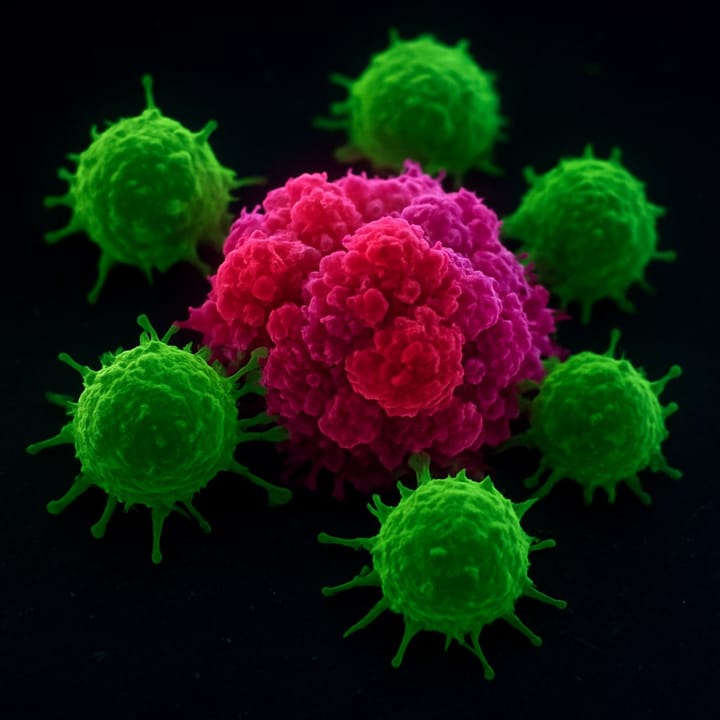
An oversubscribed EUR 120M Series D sends an off-the-shelf cancer vaccine toward a prevention trial measured in colonoscopy results from dozens, not thousands, of patients.
Merck KGaA is paying $1.3 billion for a Phase 2 siRNA that has not started Phase 3, entering a polycythemia vera market the FDA opened with Takeda's weekly injection two months ago. The bet rests on quarterly dosing and durable hematocrit control.
Verastem's 900 mg KRAS G12D dose posted a 50% confirmed response rate in second-line pancreatic cancer, and the company will take a chemotherapy-free regimen into a first-line Phase 3. The rival comparison is overall survival.

With only about 5% of rare conditions carrying an FDA-approved treatment, the agency is trying to turn case-by-case flexibility into written, predictable defaults. Whether that produces certainty or new rigidity is the open question.
