
Roche Bets $190 Million Upfront on Hanmi's Muscle-Sparing Obesity Peptide
The $2.3 billion licensing deal for Phase 1 asset HM17321 targets a core drawback of current GLP-1 therapies: the loss of lean skeletal muscle alongside fat.

Section
Trials, approvals, and the drugs behind them.
The $2.3 billion licensing deal for Phase 1 asset HM17321 targets a core drawback of current GLP-1 therapies: the loss of lean skeletal muscle alongside fat.
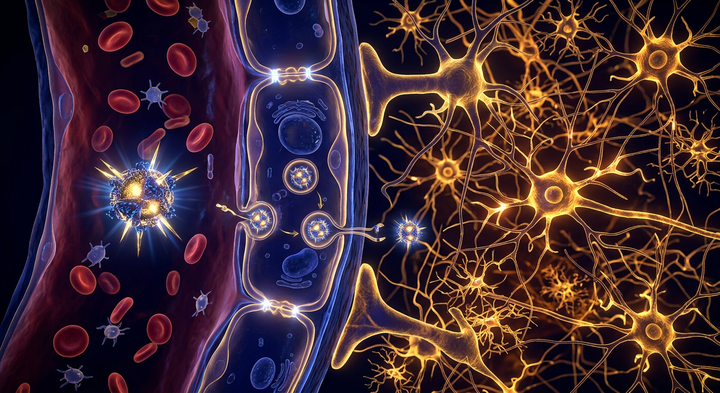
Conjugating antisense oligonucleotides to transferrin receptor transport vehicles achieves fifty-fold deeper brain penetration, challenging the standard of invasive spinal punctures.
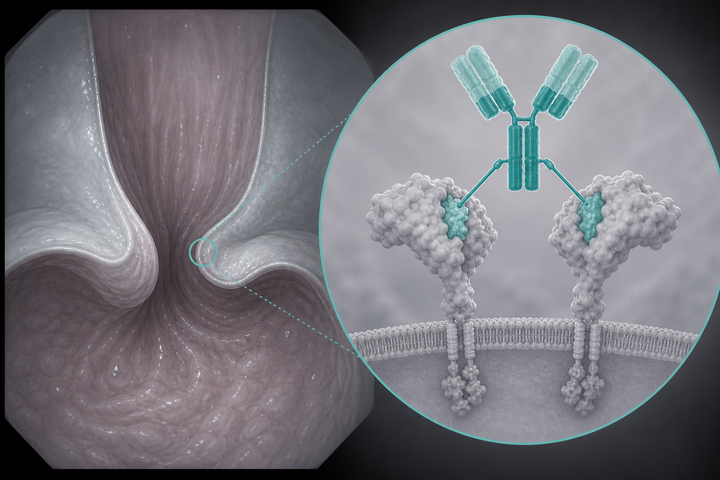
FDA cleared two zanidatamab regimens on 25 August, including a bispecific-plus-PD-1 combination for all HER2+ advanced GEA regardless of PD-L1 status, on Phase 3 data already in NEJM.

The first new pharmacological class for schizophrenia in over seventy years relies on muscarinic receptor agonism, trading dopamine motor side effects for gastrointestinal titration challenges.
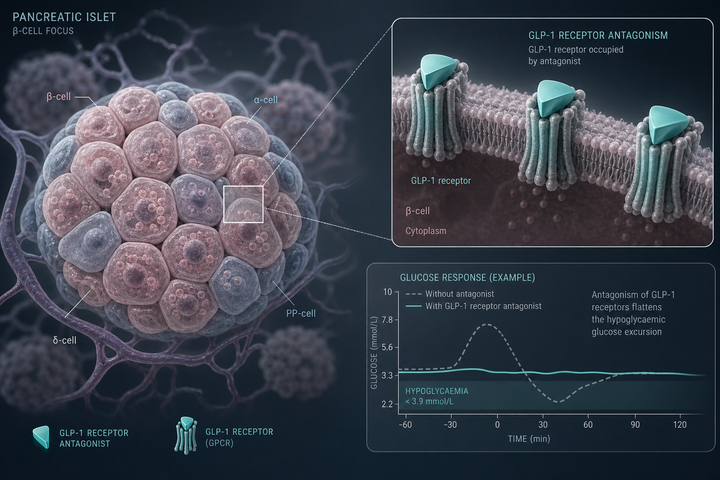
Amylyx’s Phase 3 LUCIDITY hit on 18 August: avexitide cut Level 2/3 hypoglycemia 55% versus placebo in post-bariatric hypoglycemia , a first-in-class blocker of the same receptor the industry has spent years agonizing.
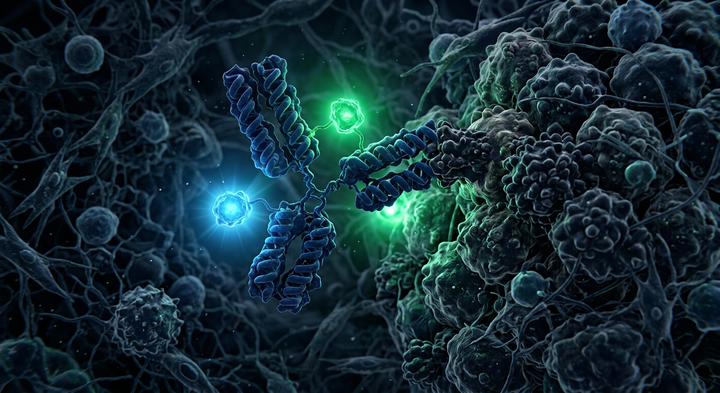
Coupling topoisomerase inhibitors and microtubule disruptors onto a single antibody scaffold exerts simultaneous multi-pathway cytotoxic pressure to block emergent drug resistance.

The European Medicines Agency recommended approval for the first-in-class THR-beta agonist for MASH with fibrosis, setting up commercial execution against encroaching GLP-1 combinations.

Engineered methyltransferases achieve durable transcriptional repression across multiple cell divisions without inducing double-strand chromosomal breaks or genomic translocations.

Aiming to diversify oncology revenues ahead of Keytruda's patent expiry, Merck licensed a topoisomerase ADC platform to develop targeted solid-tumor conjugates.
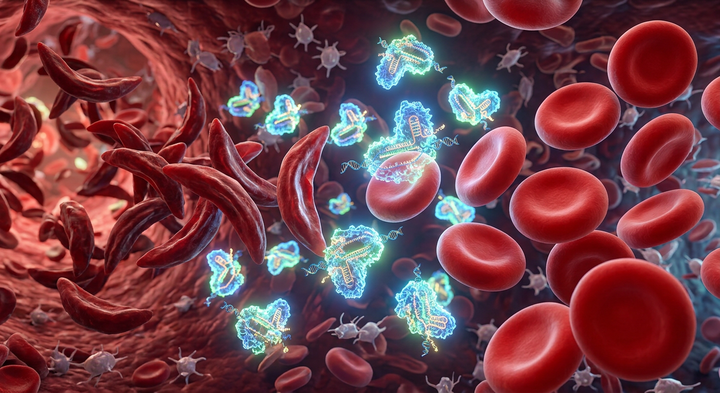
Clinical investigators are expanding CRISPR gene editing into children aged five to eleven, aiming to reactivate fetal hemoglobin before cumulative sickle cell vasculopathy becomes irreversible.
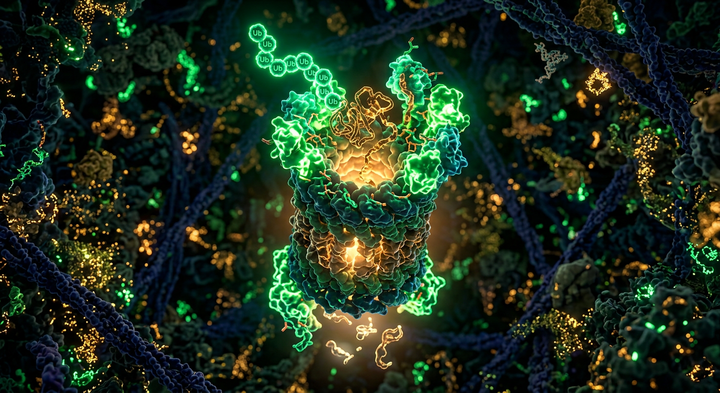
Recruiting cellular E3 ubiquitin ligases allows molecular glues and PROTACs to eliminate oncogenic transcription factors lacking classic small-molecule binding pockets.

Public market investors are rewarding Phase 2 clinical proof-of-concept in metabolic disease and ADCs while preclinical platform discovery engines face strict valuation discipline.