
FDA cleared lirafugratinib (Lyrfigtu) for FGFR2-altered cholangiocarcinoma after ReFocus posted a 46% response rate. The clinical argument is FGFR1 sparing. The cost is months of mandatory retinal monitoring.
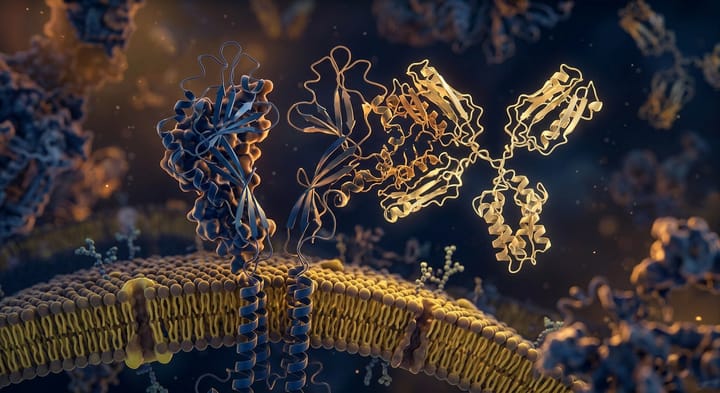
Barzolvolimab cleared hives in about half of Phase 3 CSU patients by week 24, including many Xolair failures, but two anaphylaxis cases sent Celldex shares down 13% ahead of a 2027 BLA.
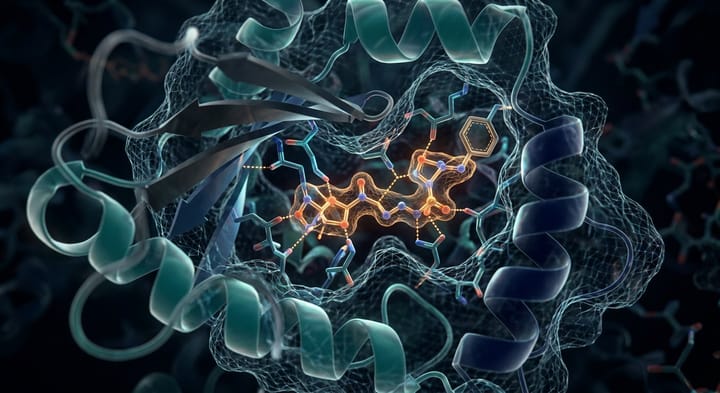
Iambic Therapeutics filed for a Nasdaq IPO the same morning it announced an AbbVie collaboration. Public markets will still judge the company on whether its brain-penetrant HER2 inhibitor holds up against Enhertu and Tukysa.

Curium’s Bexlutry is the first 505(b)(2) radioligand equivalent. The regulatory shortcut is done. Hospital clocks, isotope supply, and a pending $8 billion merger now decide whether Novartis’s NET franchise actually erodes.

Solstice Oncology launched with a $225 million Series A led by RA Capital to advance Harbour BioMed-licensed porustobart into neoadjuvant MSS colon cancer.
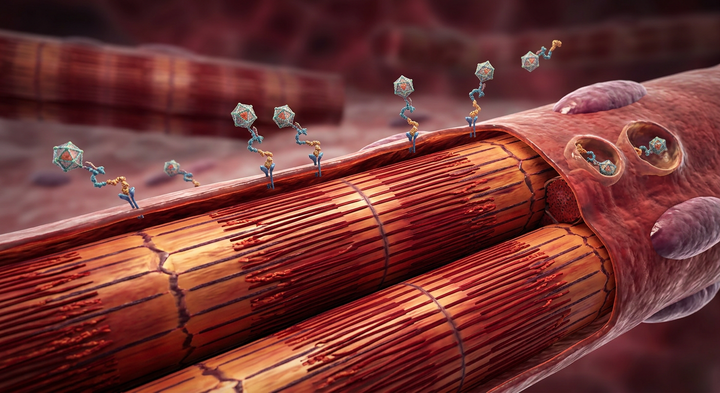
Del-desiran missed its primary endpoint in myotonic dystrophy type 1, wiping 13% off Novartis, pulling rival Dyne down 22%, and casting doubt over TfR1 RNA delivery.

Lilly is buying Merida for up to $2.875 billion, betting a Phase 1 autoantibody degrader can treat Graves' without broad immune suppression.
MariTide delivered up to about 20% mean weight loss at 52 weeks without a plateau, then Amgen lost about $7 billion in market value. The remaining fight is GIP direction, first-dose gut burden, and conjugate manufacturing cost.
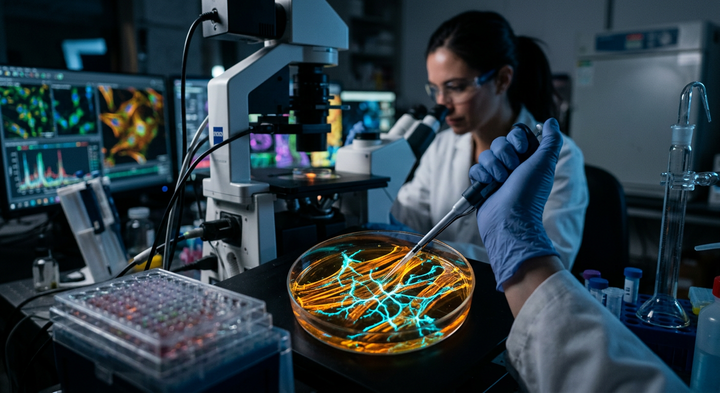
The $2.3 billion licensing deal for Phase 1 asset HM17321 targets a core drawback of current GLP-1 therapies: the loss of lean skeletal muscle alongside fat.

The EU's centralized health technology assessment harmonizes clinical efficacy reviews across 27 member states, forcing drug developers to confront disparate national standards in Phase 3 trial design.

The first new pharmacological class for schizophrenia in over seventy years relies on muscarinic receptor agonism, trading dopamine motor side effects for gastrointestinal titration challenges.
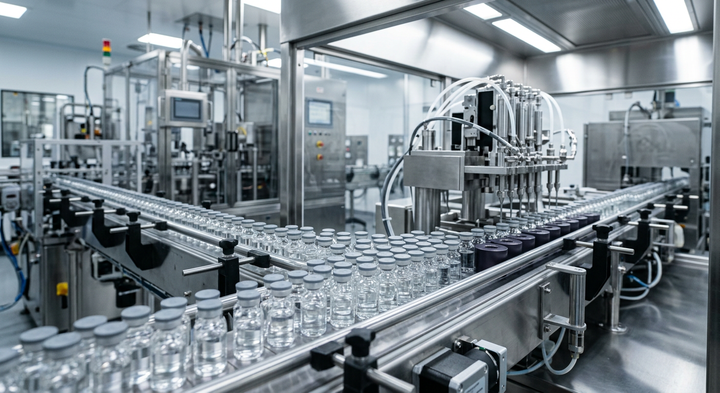
Multibillion-dollar factory expansions by Eli Lilly and Novo Nordisk are narrowing official FDA shortage lists, threatening telehealth compounding models built on unapproved peptide copies.
