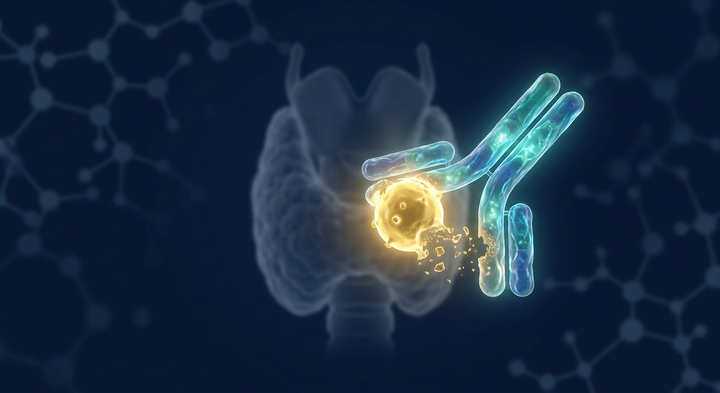
Why Is Lilly Paying Nearly $3 Billion for a Phase 1 Graves' Drug?
Lilly is buying Merida for up to $2.875 billion, betting a Phase 1 autoantibody degrader can treat Graves' without broad immune suppression.

Section
Capital, M&A, and what biotech is worth this week.
Lilly is buying Merida for up to $2.875 billion, betting a Phase 1 autoantibody degrader can treat Graves' without broad immune suppression.

MariTide delivered up to about 20% mean weight loss at 52 weeks without a plateau, then Amgen lost about $7 billion in market value. The remaining fight is GIP direction, first-dose gut burden, and conjugate manufacturing cost.

The $2.3 billion licensing deal for Phase 1 asset HM17321 targets a core drawback of current GLP-1 therapies: the loss of lean skeletal muscle alongside fat.

The EU's centralized health technology assessment harmonizes clinical efficacy reviews across 27 member states, forcing drug developers to confront disparate national standards in Phase 3 trial design.

The first new pharmacological class for schizophrenia in over seventy years relies on muscarinic receptor agonism, trading dopamine motor side effects for gastrointestinal titration challenges.
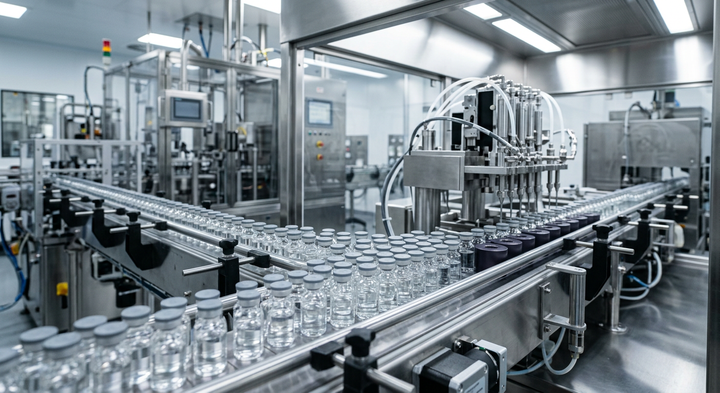
Multibillion-dollar factory expansions by Eli Lilly and Novo Nordisk are narrowing official FDA shortage lists, threatening telehealth compounding models built on unapproved peptide copies.
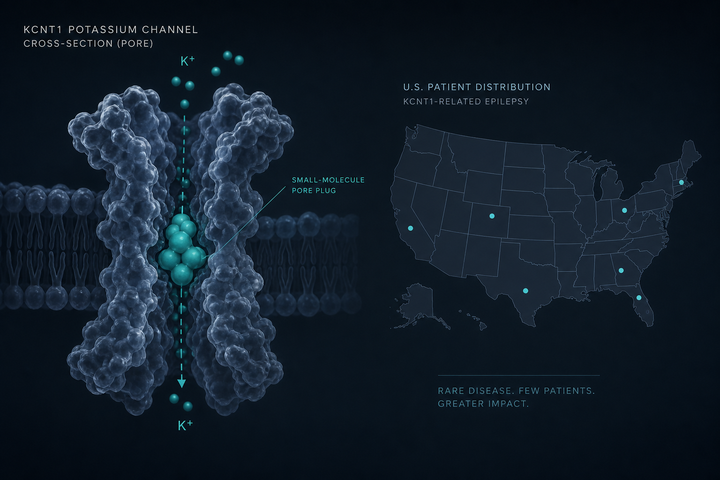
Jazz agreed on 10 August to buy Actio Biosciences for $820 million cash plus $500 million in milestones, spinning out everything that is not ABS-1230, to bolt a precision ion-channel drug onto Epidiolex.

With over $200 billion in branded biologic revenues losing exclusivity by 2030, originator drugmakers are navigating secondary patent litigation under aggressive FTC antitrust scrutiny.
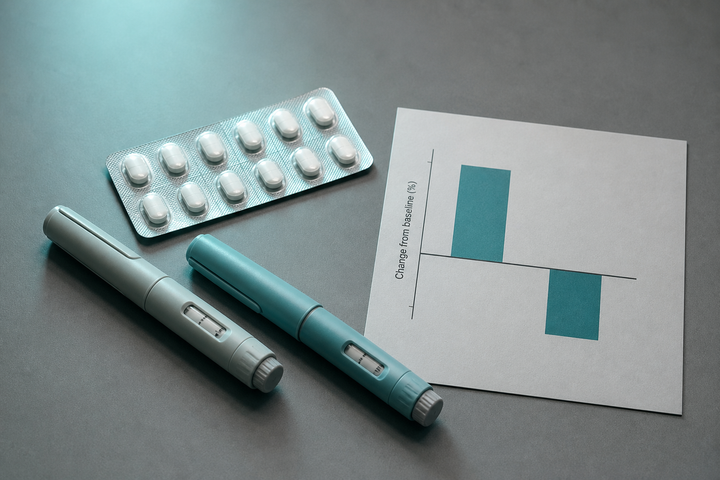
Two earnings prints in 48 hours showed the obesity market splitting: Lilly raised the ceiling; Novo raised guidance into a decline.

The European Medicines Agency recommended approval for the first-in-class THR-beta agonist for MASH with fibrosis, setting up commercial execution against encroaching GLP-1 combinations.
Aiming to diversify oncology revenues ahead of Keytruda's patent expiry, Merck licensed a topoisomerase ADC platform to develop targeted solid-tumor conjugates.

Antitrust regulators are investigating whether mid-sized biopharma acquisitions could suppress early-stage clinical innovation or delay secondary indication trials in rare diseases.