
Compounding Pharmacies Face Regulatory Cliff as GLP-1 Shortages Resolve
Multibillion-dollar factory expansions by Eli Lilly and Novo Nordisk are narrowing official FDA shortage lists, threatening telehealth compounding models built on unapproved peptide copies.
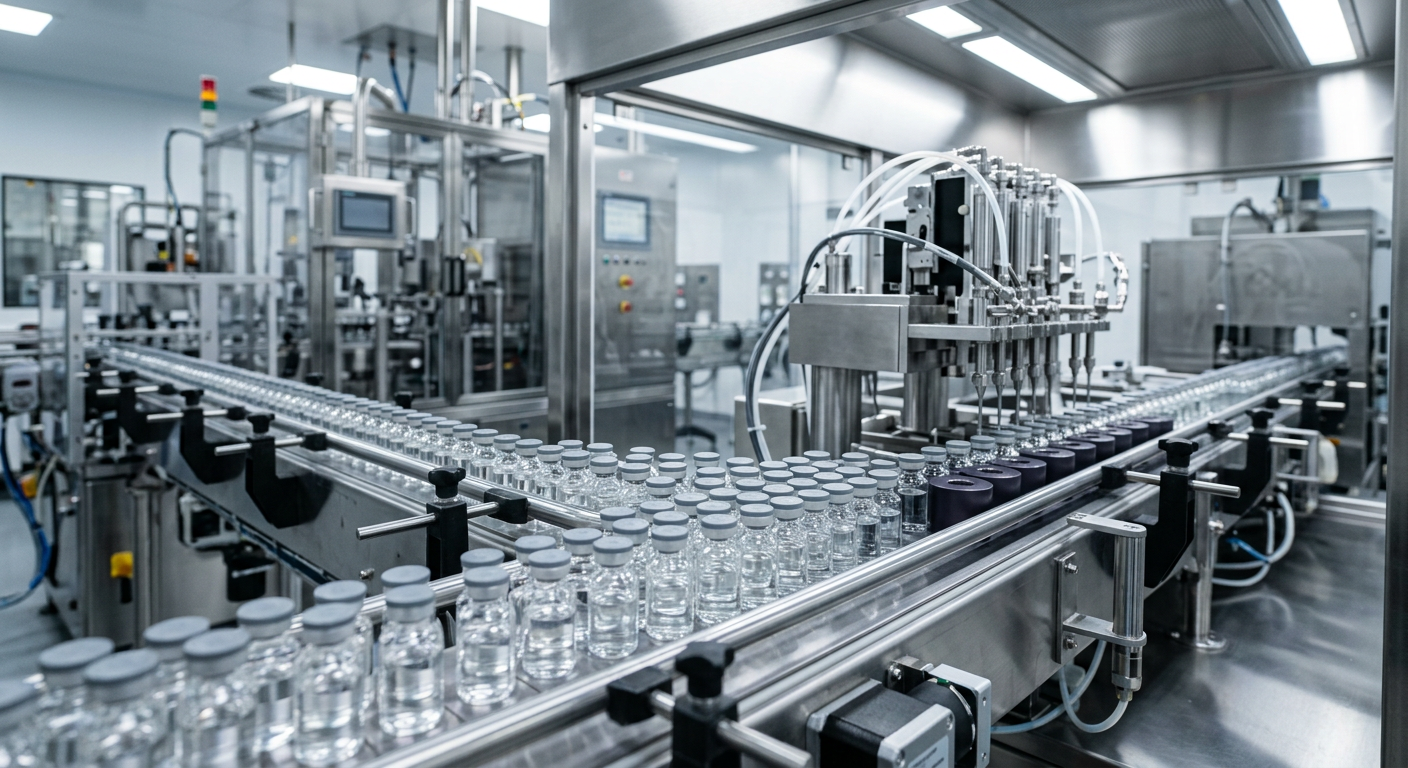
The explosive consumer demand for GLP-1 and dual GIP/GLP-1 receptor agonists triggered the largest pharmaceutical supply deficit in modern history. With Eli Lilly and Novo Nordisk unable to manufacture enough autoinjector pens to meet commercial demand for Zepbound, Mounjaro, and Wegovy, the FDA placed tirzepatide and semaglutide on its official drug shortage database. That regulatory designation opened an unprecedented legal loophole for compounding pharmacies.
Under Sections 503A and 503B of the Federal Food, Drug, and Cosmetic Act, licensed compounding pharmacies and outsourcing facilities are permitted to prepare unapproved copies of commercially available medications during active shortages to prevent treatment disruptions. Direct-to-consumer telehealth platforms capitalized on this exemption, building multibillion-dollar cash-pay businesses selling compounded GLP-1 vials for $200 to $400 monthly, a fraction of branded list prices.
However, massive capital expenditure by innovator pharmaceutical companies is closing that window. Lilly and Novo Nordisk poured over $20 billion into sterile fill-finish facilities and synthetic peptide manufacturing suites, steadily satisfying backorders. In official regulatory filings, the FDA updated its shortage database, signaling that statutory compounding exemptions for tirzepatide and semaglutide are rapidly concluding.
The Shift to Questionable Custom Formulations
Facing commercial extinction, compounding pharmacies and telehealth operators are pivoting toward customized formulation arguments. To evade statutory bans against compounding 'essentially a copy' of an approved drug, compounders mix semaglutide with vitamin B12, glycine, or L-carnitine, claiming these modifications constitute tailored prescriptions meeting individual medical necessity.
Innovator drugmakers responded with aggressive federal trademark, false advertising, and patent infringement lawsuits. Legal briefs challenge whether adding common vitamins creates a clinically meaningful therapeutic distinction, citing FDA warnings regarding counterfeit active pharmaceutical ingredients, salt-form variations like semaglutide sodium, and sterility violations at non-compliant compounding facilities.
State pharmacy boards and federal courts are rejecting broad compounding defenses, clarifying that minor non-therapeutic additive modifications do not shield commercial-scale bulk manufacturing from federal new drug approval requirements.
Digital Pharmacies and Direct Cash-Pay Channels
The regulatory clampdown is accelerating structural changes in how biopharma companies distribute chronic therapies. To capture price-sensitive self-pay consumers directly, Eli Lilly launched direct-to-consumer digital channels offering single-dose vials of Zepbound at a 50% discount to list price, eliminating insurance friction and bypass-dispensing unapproved compounded alternatives.
As commercial supply stabilizes and employer health plans tighten coverage criteria, the weight-loss market is transitioning from unverified compounding gray markets into structured pharmaceutical digital distribution channels, resetting expectations for long-term cardiometabolic pricing.